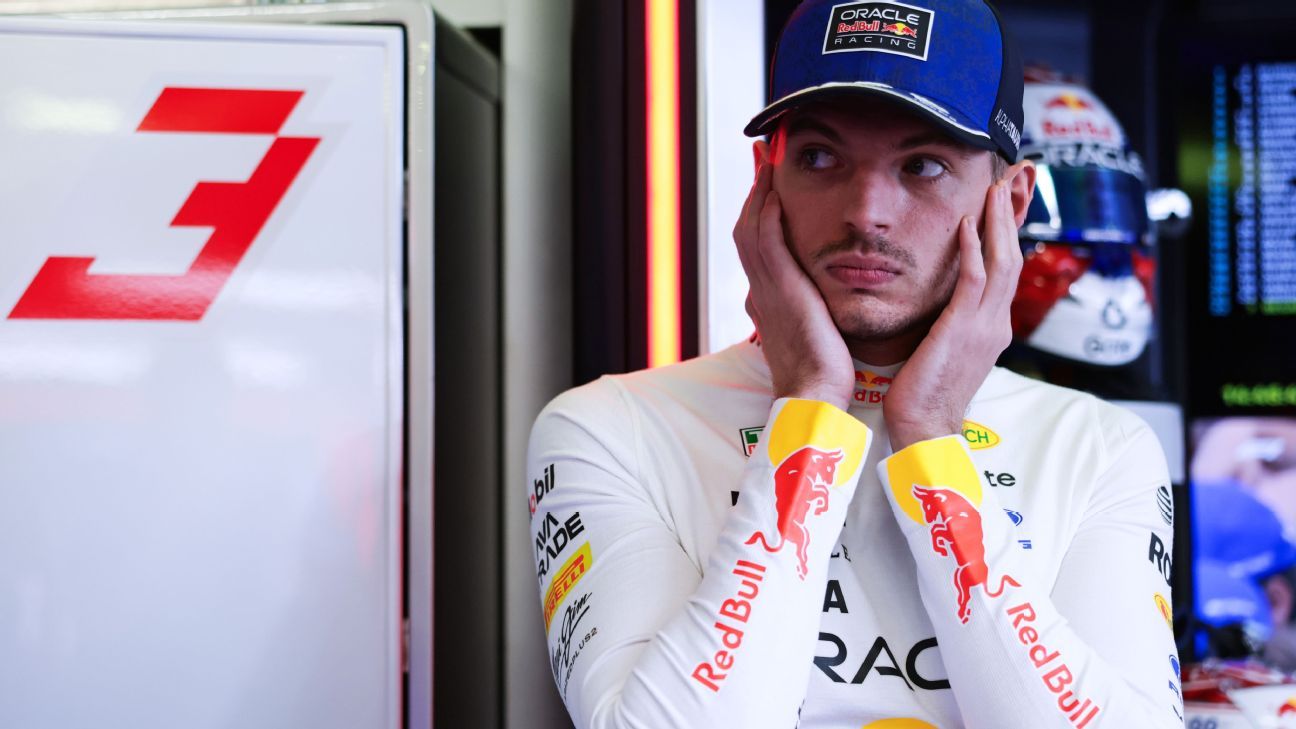
As the 2026 F1 season unfolds, four-time world champion Max Verstappen has been vocal about his dissatisfaction with the new regulations introduced this year. His criticisms have sparked widespread discussion within the motorsport community, prompting analysts and fans alike to scrutinize the validity of his claims.
Verstappen's primary concerns revolve around the changes in car aerodynamics, which he argues have compromised the racing quality and driver safety. He has also expressed frustration over the new technical directives that limit certain design elements, claiming they hinder teams' innovation and competitiveness.
One of the most prominent complaints from Verstappen pertains to the alterations in the power unit regulations. He suggests that these modifications have led to less reliable engines and increased maintenance challenges, impacting race strategies and overall performance.
Additionally, Verstappen has criticized the sporting regulations, particularly the new points system for sprint races and the revised qualifying procedures. He believes these changes distort the traditional race weekend format and diminish the importance of the main Grand Prix event.
ESPN's Nate Saunders has carefully examined each of Verstappen's grievances, consulting technical experts, team engineers, and race analysts to assess their legitimacy. His verdict indicates that while some concerns are rooted in genuine technical issues, others may be influenced by driver preferences and team strategies.
For instance, Saunders acknowledges that the aerodynamic changes have indeed affected car handling, but notes that such adjustments are part of F1's ongoing evolution aimed at improving safety and racing spectacle. Conversely, he points out that certain regulation shifts might disproportionately favor specific teams, potentially impacting the competitive balance.
Overall, the debate surrounding Verstappen's complaints highlights the complex interplay between regulation, technology, and driver performance in Formula 1. As the season progresses, teams and regulators will continue to adapt, striving to find the optimal balance that satisfies safety, competitiveness, and entertainment.
In conclusion, while Verstappen's critiques raise valid points about some aspects of the new rules, others may be more subjective or strategic in nature. The ongoing dialogue underscores the dynamic nature of F1 regulations and the importance of continuous evaluation to ensure the sport's integrity and excitement for fans worldwide.